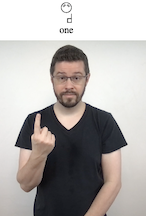
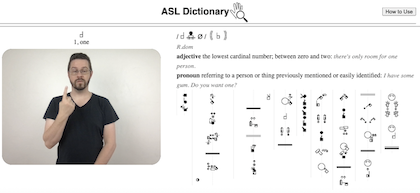
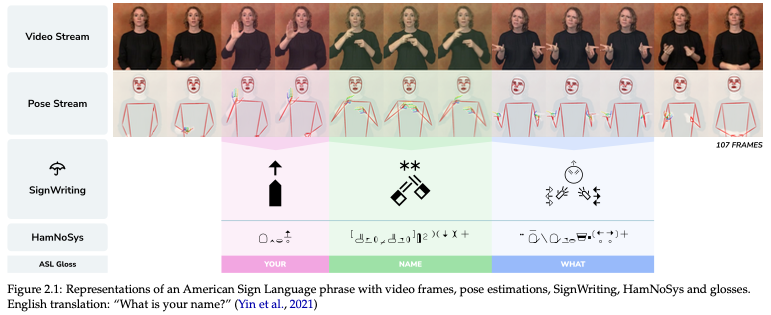
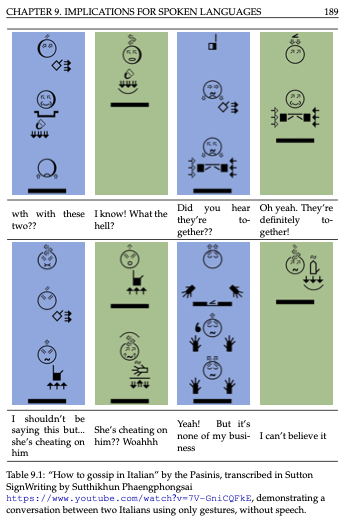
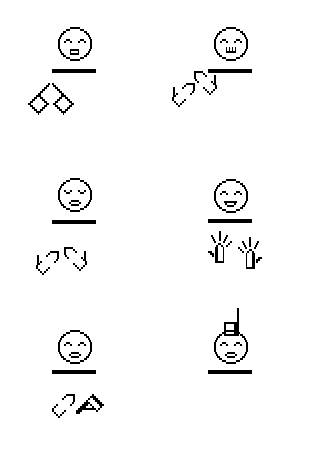
This library provides all the core tools for working with Formal SignWriting in Python, including Formal SignWriting in ASCII (FSW), SignWriting in Unicode (SWU), the associated query languages, the style string, and the conversion functions.
There is already an excellent Python package which includes base functionality for FSW and SWU, along with additional features such as SignWriting visualization, fingerspelling, and mouth writing. https://github.com/sign-language-processing/signwriting
This new sutton-signwriting-core library focuses on the Formal SignWriting data model and query language, enabling developers to perform advanced structured searches and analysis within SignWriting datasets.
These releases mark another step forward in making SignWriting easier to reference, research, and build with across multiple programming environments.
sutton-signwriting-font is a Python library that generates SVG and PNG images for individual symbols, complete signs, and structured text. The library covers the entire set of the International SignWritnig Alphabet 2010 (ISWA 2010).
This library builds on sutton-signwriting-core for parsing Formal SignWriting in ASCII (FSW) and SignWriting in Unicode (SWU), and uses an SQLite database of SVG fragments to compose self-contained visualizations.
This record serves as a stable reference for draft-slevinski-formal-signwriting and ensures that Formal SignWriting can be properly cited in academic and technical work.
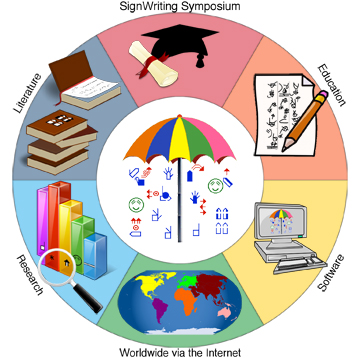
SignWriting is now recognized and used across the world—in education, in everyday society, in artificial intelligence, in machine translation, and beyond. Doubters and deniers remain, but their resistance is fading. The near-universal acceptance of SignWriting is close at hand.
The very idea of sign language literacy is revolutionary: training the sign-structured brain to use a script that allows language skills to develop directly in sign. Writing and reading in one's native sign language is a game changer. It gives thoughts, ideas, and organizations a durable form, a foundation on which knowledge can grow.
Signed or spoken stream-of-consciousness can flow for a while, but unedited expression is only a firehose of thought. Writing, however, refines expression—transforming raw idea into something well-organized, internally coherent, and purposeful. A skilled writer shapes meaning, and SignWriting offers signers the same power: to capture thought in its native form, and to give it permanence, precision, and clarity.
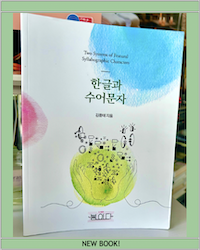
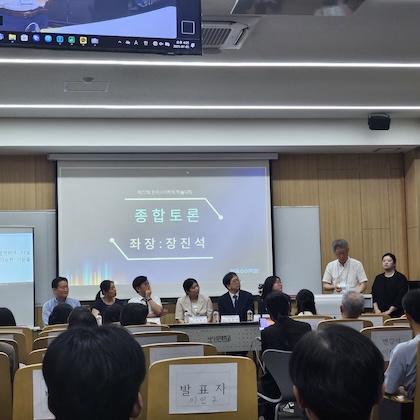
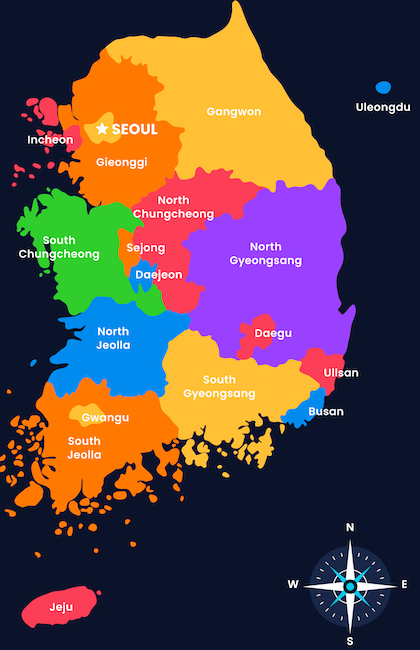
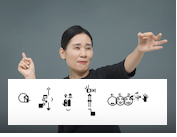
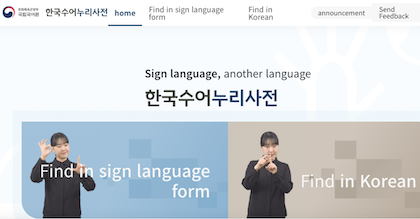
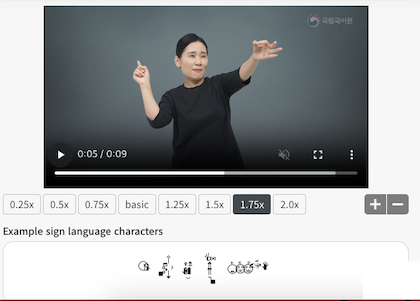
We have a good news from Korea. In Korea, SignWriting is officially written Feb. 6, 2025. Below is the article from the news letter(Source: E-DongA (https://edu.donga.com)) The National Institute of the Korean Language announced on February 6 that it will be opening a new Korean sign language-Korean dictionary, the 'Korean Sign Language Nuri Dictionary', which contains Korean sign language actually used by deaf people and allows for the visual linguistic characteristics of Korean sign language to be confirmed. The 'Korean Sign Language Nuri Dictionary' is a dictionary that contains the linguistic characteristics of Korean sign language based on the Korean sign language corpus (video data), and includes various information such as the meaning of the entry, Korean equivalent expressions, examples, sign form pictures, and sign language characters. Deaf people participated in all the compilation processes to reflect the sign language actually used in the agricultural community. The dictionary contains a total of approximately 1,000 entries, and can be searched in sign language form and Korean. In addition to menus provided in sign language videos and Korean, the dictionary usage instructions are also provided in sign language videos, allowing deaf people who use Korean sign language as their native language to use it more conveniently. Another feature is the introduction of a customized screen setting function that allows users to select the information they want to view. The event commemorating the opening of the dictionary will be held at 2:00 PM on February 6th in the international conference room on the 3rd floor of the Sangam-dong Business Tower. The event will include a report on the progress of the dictionary compilation and a search demonstration, as well as an awards ceremony for the Korean Sign Language Naming Contest for the 'Korean Sign Language Nuri Dictionary' held in December of last year. A total of 233 sign language names were received in this contest, and the official sign language names for the 'Korean Sign Language Nuri Dictionary' will be announced at the opening ceremony along with the winning entries.